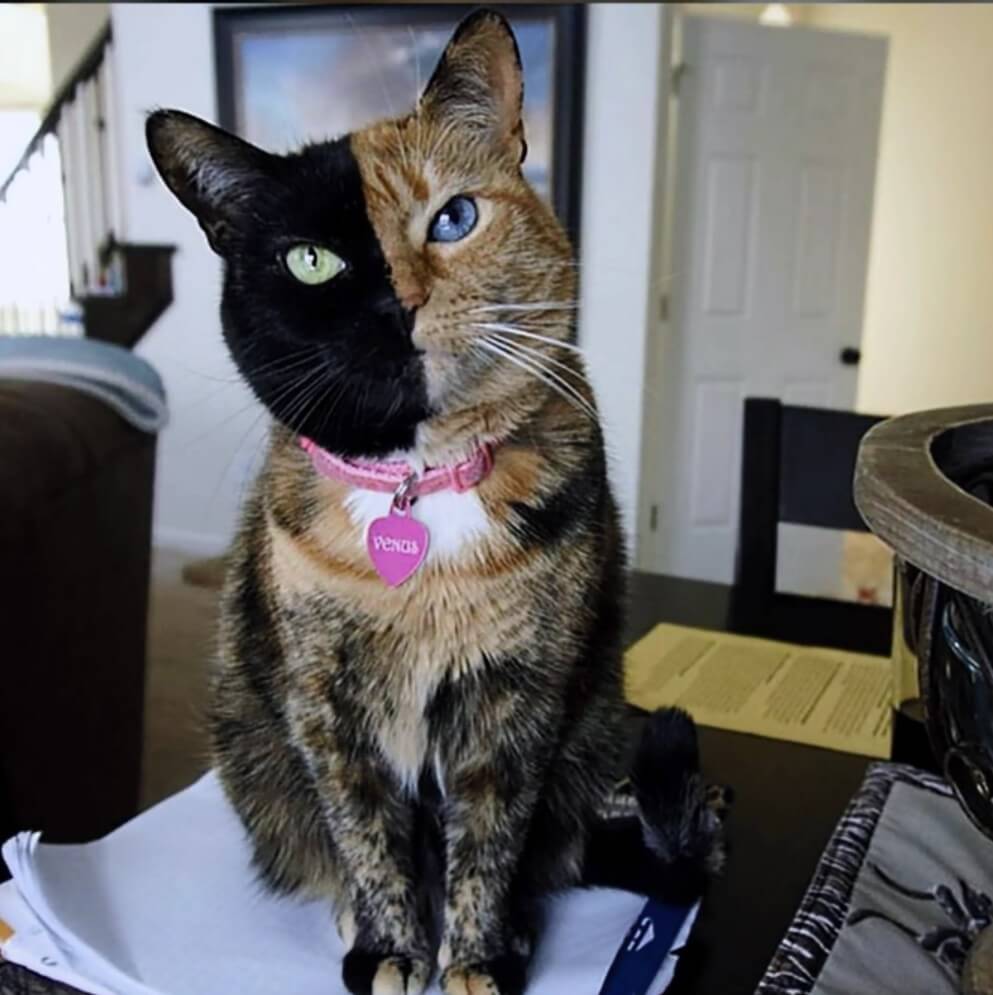
It seems strange that there was ever a time when felines were not a part of our lives. It's been less that 10,000 years considering that cats swaggered into our lives. Barely an eye blink in the grand sweep of life on this planet. Why were cats so late to join our group? The basic answer is they didn't require us to make it through. Cats were enduring just great on their own. Then, individuals created farming. Farming resulted in big scale storage of grains which attracted the normal and well know group of freeloaders, mice and rats. Grain brought in rodents. Rodents drew in felines who consider them delicious meals. The outcome was that cats established housekeeping close to human settlements. Ultimately, cats being cats, moved right on in.
Who were these very first cats? The very first clue depends on where farming was first practiced. Farming first settled (no pun planned) in the Middle East in a fantastic sweep from modern Turkey to Egypt. Within this area varies the African wild cat, Felis libyca. African wild cats are a little larger that our contemporary home cats and are yellow in color with soft stripes. These felines have a docile, almost laid back nature. Surprisingly, these felines still tend to live and hunt near human homes today. Residents still like to catch and rear young wild cats as animals. When fully grown, wild cats raised by people tend to act very much like our familiar housecats. A great case can (and has actually) been advanced designating Felis libyca as the principal founding population for domestic felines. A minimum of two other varieties of wild feline are hypothesized to have contributed to the hereditary comprise of domestic felines. One is Felis silvestris, The European wildcat who appears to have contributed darker markings and a peppery spirit to the African wild cat base. Likewise, from Asia, comes the Pallas or Steppe feline (Felis manul) that appears to have contributed long-haired coats to the mix.
The early period of domestication of felines is unclear with just patches of evidence. However, by 6,000 B.C. statues discovered in Anatolia ( modern-day Turkey) reveal women playing with domestic cats. Cats had actually plainly ended up being typical and affectionate pets by that time. The earliest written records about cats appear by roughly 4,000 B.C. in Egypt where they were regularly kept to hunt mice and rats from saved grains. It was a great time to be a cat in ancient Egypt. Domestic cats were thought to be the embodiment of the goddess Bast (or Bastet). There was a necropolis at her primary temple at Bubastis that consisted of mummified felines.
Romans spread out the domestic feline northward into main Europe and westward to Britain throughout the growth of their empire. Felines were rapidly embraced and appreciated as great hunters. And they continued to move north and east in Europe. The Vikings used cats as both rodent hunters and pets. The Viking goddess of love and war, Freyja, was associated with cats. Big winged cats drew her chariot. It also became the custom to give new brides a kitten in her name.
The Middle Ages it were a very hard time to be a feline. Felines were stated to be witches familiars, in league with the devil. Since of this superstitious notion, felines were regularly eliminated throughout celebrations. In some cases they were even burned alive or shaken off tall buildings. The Europeans paid heavily for their ruthlessness to felines. The deaths of many felines enabled the rodent population to rise out of control, bringing in the Black Death which eliminated a lot of the European population. Ultimately, the cats' cleanly ways and searching read more expertise redeemed them in the eyes of the individuals of Europe. By the 1600s, people in France began putting little holes near the bottom of their doors to permit their felines to go into and leave as they please.
In Asia cats continued to be familiar hunters and valued family pets. Felines were often subjects for drawing and painting in
China. In Japan, felines in the kind of Maneki Neko, normally depicted as a sitting cat with one paw raised and bent, are thought about good luck. They are frequently found in companies to draw in cash.
The history of cats is a fascinating one, worthwhile of far more in depth study. It fosters an gratitude for the characters and talents of our pets.